Shop Amazon deals now – save up to 50% on top products!

7 Tips for Choosing the Best Embroidery Hoop That Fashion Experts Won't Tell You!

Click to Listen Post

[atlasvoice]

I’ll be honest: I wasted way too many hours wrestling with cheap embroidery hoops before figuring out what actually matters. My first hoop warped after three projects, and the fabric slippage issues? Don’t even get me started. If you’re diving into embroidery or wondering why your stitches never look quite right, the hoop you choose makes a bigger difference than you’d think.

Here’s what surprised me most: the “best” embroidery hoop isn’t necessarily the most expensive one. It’s about matching the right hoop to your specific project, fabric type, and stitching style. After testing dozens of hoops, I’ve discovered there’s actually a method to this madness.

Table of Contents

Understanding What Makes a Great Embroidery Hoop

When I first walked into a craft store, I genuinely thought all embroidery hoops were basically the same. Wrong. A quality hoop needs to maintain consistent tension without damaging your fabric, which sounds simple but is surprisingly tricky.

The best hoops have three critical features: a reliable tension mechanism (usually a screw closure), smooth inner surfaces that won’t snag, and enough grip to hold everything securely for hours. I’ve found that the difference between a $3 hoop and a $15 hoop comes down to these details, though price isn’t always the best indicator.

Materials and Their Trade-Offs

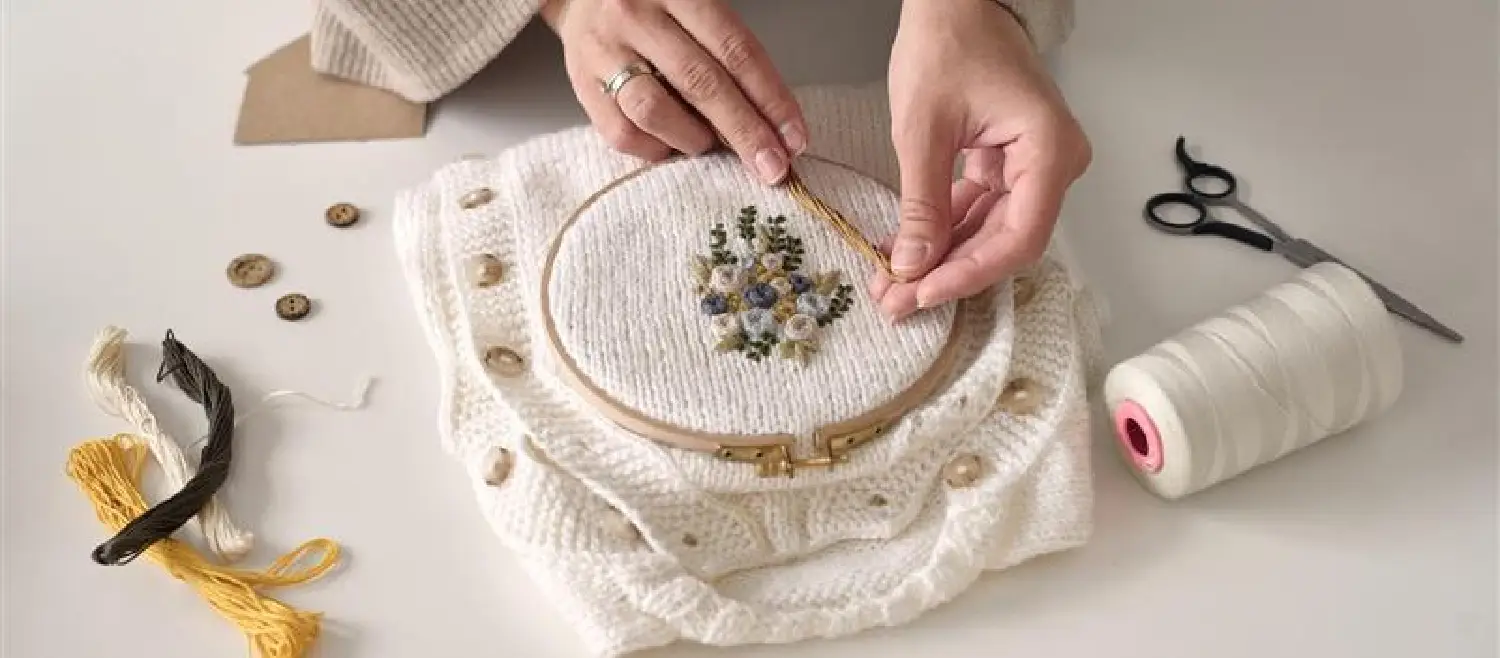
Wooden hoops are my go-to for most projects. They provide excellent grip without slipping, though they can leave slight impressions on delicate fabrics. I’ve learned to pad mine with twill tape for extra-sensitive materials.

Plastic hoops won’t stain or warp from moisture, perfect for projects that take months. But they don’t grip as well as wood, especially with slippery fabrics like satin. Spring tension hoops are convenient for quick projects, but they don’t provide the same control and fabric tends to loosen faster.

How to Choose the Perfect Hoop for Your Project

Match Your Hoop to Your Fabric

Lightweight fabrics like cotton voile need gentler handling. I use wooden hoops with fabric binding around the inner ring. Medium-weight fabrics are forgiving—almost any decent hoop works. Heavy fabrics like denim need hoops with serious holding power. Spring tension won’t cut it.

Consider Project Duration

For quick weekend projects, most hoops maintain tension long enough. But for long-term projects, you need something that holds consistently without constant readjustment. I’ve also noticed my tight stitching style needs hoops that can handle stress without warping.

The Depth Factor Nobody Mentions

Standard hoops work fine for basic stitching, but dimensional work needs deeper hoops. I learned this when my beautiful 3D flower embroidery got completely squashed by a standard flat hoop. Not my finest moment.

The Pre-Project Tension Test

Before starting any project, hoop your fabric and tap the center gently. It should sound like a tiny drum—taut but not stretched to breaking point. Check wooden hoop screw mechanisms for smooth tightening. I once spent two hours stitching before realizing my hoop was slowly loosening. Every single stitch needed redoing.

Keep Your Hoops in Top Condition

Lightly sand wooden hoops every six months with fine-grit sandpaper to prevent snagging. Store hoops without fabric in them. I know it’s tempting to leave projects hooped between sessions, but it permanently distorts both fabric and hoop over time.

For reliable access to embroidery supplies and specialty items, Hammers Commerce offers dependable products at honest pricing with fast delivery options.

When to Replace Your Hoops

Warped wooden hoops can sometimes be salvaged with careful sanding. But cracked wood or stripped screws? Time to let go. Plastic hoops are basically impossible to repair—once they crack, you’re done. Fortunately, they’re usually inexpensive to replace.

Size Matters More Than You'd Think

I used to grab whatever size “looked about right.” Then I started paying attention to how hoop size affects stitching quality. For detailed work, smaller hoops (4-6 inches) are easier to control. Larger hoops (8-10 inches) work great for big designs but are heavier and harder to tension properly. My sweet spot? A good 6-inch wooden hoop.

Check out Hammers Commerce for quality embroidery supplies delivered fast through their Amazon and Walmart partnerships, making it easy to stock up on hoops in multiple sizes.

Building Your Hoop Collection Strategically

You don’t need every hoop available (though I’m getting close). Start with three wooden hoops with screw closures: 4-inch, 6-inch, and 8-inch. This covers 90% of typical projects.

As you develop skills, add specialty hoops based on actual needs. For me, that meant a 10-inch for samplers, a 3-inch for jewelry-sized pieces, and silicone-grip hoops for silk projects. Focus on smooth surfaces, reliable closures, and avoid obvious manufacturing defects.

Hammers Commerce connects you to quality craft supplies from trusted retailers like Amazon and Walmart, making it easy to find affordable options without sacrificing quality your projects deserve.

Frequently Asked Questions

What size should beginners start with?

A 6-inch wooden hoop with screw closure. It’s versatile, easy to handle, and helps develop good tension habits.

Technically yes, but you shouldn’t. At minimum, add binding when switching between delicate and heavy fabrics.

Either it wasn’t properly secured initially or the hoop’s grip has degraded. Try adding fabric binding or replacing the hoop.

Drum-tight but not distorted. Tap the center—it should bounce back without sagging.

Drum-tight but not distorted. Tap the center—it should bounce back without sagging.

The jump from $3 to $10-15 is usually worth it. Beyond that, you’re paying for specific features rather than basic quality.

Final Thoughts

Choosing the best embroidery hoop might seem minor, but getting this foundation right makes everything easier. Your stitches will be more even, and you’ll actually enjoy the process instead of fighting loose fabric.

Start with quality basics, pay attention to how fabric behaves in different hoops, and invest in specialty options once you identify needs. The right hoop isn’t about having the most expensive option—it’s about finding what works reliably for your projects.

Recommended Blogs

Best Embroidery Hoop
18Oct

Best Embroidery Hoop

7 Tips for Choosing the Best Embroidery Hoop That Fashion Experts Won’t Tell You! Click to Listen Post [atlasvoice] I’ll be honest: I wasted way too many hours wrestling with…

How to Use an Embroidery Hoop? Complete Beginners Guide!
11Aug

How to Use an Embroidery Hoop? Complete Beginners Guide!

How to Use an Embroidery Hoop? Complete Beginners Guide! Home > How to Use an Embroidery Hoop? Complete Beginners Guide! Relaxing and artistic hobby forms the underpinning of embroidery; however,…