Home > How to Use an Embroidery Hoop? Complete Beginners Guide!
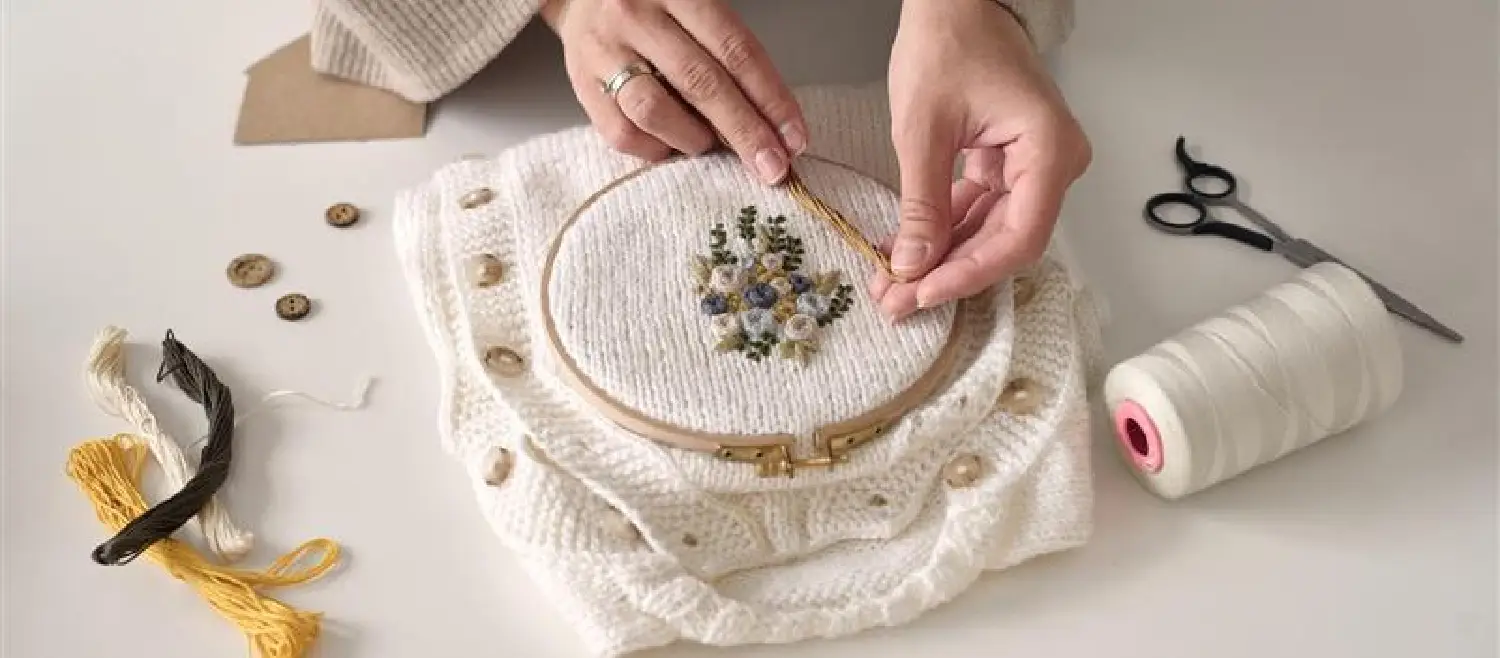
Relaxing and artistic hobby forms the underpinning of embroidery; however, it can get unnerving for beginners without the right materials. One of the most essential tools will be the embroidery hoop. An embroidery hoop is essentially that one must hold the fabric tightly so that the stitches remain even and neat. Proper hoop setup enables you to produce great results. This guide will teach you the easy way of setting up an embroidery hoop, whether as a beginner or someone who has done embroidery before. You will feel confident after setting up your hoop and bringing your designs to life.
This guide assumes that you are familiar with some embroidery hoop use. The complete beginner, however, will appreciate these methods since they are practical, straightforward, and designed for skill-building while keeping the fabric secure.
Before you begin, consider choosing a hoop that complements the design you are working on. If it is too small, you may be moving the fabric too often, which can affect your stitches. If the hoop is too big, it may be more challenging to handle, especially if you are still learning embroidery. For beginners, a hoop of medium size (6-8″ across) will be best since it provides ample room to work without tying one’s hands.
Your fabric should be placed flat and no wrinkles should be visible before keeping it in the hoop. Positioning a design in the center enables working on it freely from all directions. Make sure the fabric grain is true, which helps prevent distortion in the finished design. A gentle press beforehand will ease the fabric tension and ensure even stitches.
When the fabric is placed into the hoop, gently tighten the outer hoop screw. Do not over-tighten; this will make the fabric too tight and cause ugly marks. Instead, the aim is to create a firm grip that keeps the fabric taut but not overly strained. To test, give it a little tap: if it sounds like a drum, then you’ve got it tight enough. It will take a little practice to find this balance, but it is very important to get right!
Your fabric may loosen a little as you stitch. Whenever that happens, stop and adjust the tension without removing the work from the hoop. A tiny bit of pulling from the sides should help, but ensure you do not pull on the stitches.For the novice embroiderer, hoops that provide a better grip will prove useful. An example would be the Morgan Products Plastic No-Slip Hoop, which enables you to maintain even tension without having to make constant adjustments, thereby allowing for uninterrupted stitching.
If you’re working on one project for 2 hours or more, a hoop stand is a blessing. The scarf holds the hoop in place so you can stitch using both hands. A stand works especially well for detailed work or larger designs. A stand also encourages good posture, which relieves your neck and shoulder tension. You may have tabletop stands or floor stands; pick whichever one matches your working space and style best.
After your work is done for the day, you take the fabric out of the hoop so that it will not develop marks. If you can’t finish a project and have to store it away, just loosen the hoop a bit instead of keeping it tight. Store your hoop in a dry place, away from sunlight, to prevent any damages. Cleaning your fabric and hoop will give your embroidery projects a neat and professional look.
It’s a whole lot better when embroidery is done with the right setup and knowledge on how to use embroidery hoops. Such small tips may help a beginner to avoid some of the most common mistakes made when embroidering, from choosing the right hoop size to keeping a fabric taut. Before long, hooped embroidery will become second nature and you’ll just be concentrating on the best part-the fun of making your designs come to life.
